A South Pacific reunion is a big trip in every sense: long flights, a large time change for North American families, and islands where the pace is slow by design. That slower pace is the reason to go. Families who choose Fiji, Tahiti, the Cook Islands or Samoa usually want a week or more of shared meals, warm lagoons and village culture with very little on the schedule. South Pacific destinations are also a speciality of Far & Away Adventures.
Islands to compare
Fiji is one of the easiest South Pacific choices for families, with direct flights to Nadi, family-oriented resorts on the Coral Coast and Denarau, and small island resorts in the Mamanuca and Yasawa groups. Many resorts have kids' clubs and family rooms, and Fijian village visits are a highlight for all ages.
Tahiti and French Polynesia (Moorea, Bora Bora and others) are known for lagoons and overwater bungalows. For reunions, Moorea's mix of resorts, rentals and easy ferry access from Tahiti often works better than the more honeymoon-focused islands.
The Cook Islands (Rarotonga and Aitutaki) are compact and relaxed. Rarotonga's single coastal road and bus loop make it easy for small groups to explore independently.
Samoa and Vanuatu are less developed and suit adventurous families interested in culture and nature.
New Caledonia is a short trip for families based in Australia. See is the South Pacific right for your reunion?
Travel time and pacing
From western Canada or the U.S. West Coast, Fiji and Tahiti are a long overnight flight, plus connections for relatives elsewhere. Crossing the International Date Line to Fiji means losing a calendar day on the way out. Plan at least eight to ten nights so the travel feels worthwhile, keep the first day free, and avoid changing islands more than once. Inter-island flights and boat transfers run on fixed schedules, sometimes only once a day, so the group's arrival window needs to match them.
Lodging styles
- Family resorts with interconnecting rooms, kids' clubs and a range of room types are the easiest base for large groups.
- Island resorts on a small island give the whole family one beach and one dining room, which makes daily gatherings effortless.
- Villas and private homes, especially on Rarotonga and Moorea, suit groups who want a shared kitchen.
- Overwater bungalows are memorable but often have occupancy limits and safety considerations for small children; ask before booking.
Villas vs resorts helps with the choice.
Seasons
The drier, slightly cooler months from about May to October are the most popular. November to April is the warmer, wetter season, with a higher chance of tropical cyclones, which can affect flights and boat transfers. If you travel then, check cancellation terms and consider travel insurance.
Practical points for families
- Medical care: outer islands have limited facilities. Bring regular medications in carry-on luggage and confirm travel medical coverage for every traveller.
- Sun and reef safety: the tropical sun is strong; plan shade, hats and reef-safe sunscreen, and use reef shoes where recommended.
- Currency and payments: cash is still needed in villages and markets on many islands.
- Respect local customs: village visits have dress and etiquette expectations; resorts and guides will explain them.
- Entry rules: each traveller should check current passport validity and entry requirements for their nationality.
Combining two countries, such as Fiji with the Cook Islands, is possible but depends on limited flight schedules; check them before promising the family a two-country trip.
Budget and value
Flights are the largest cost for most households, and fares vary by season and departure city. Resorts in Fiji and the Cook Islands often offer kids-stay or kids-eat-free arrangements and meal plans, which help larger families; ask what is current for your dates. Island resorts that are only reachable by boat or seaplane usually require meals to be taken on site, so compare the full daily cost, not only the room rate.
Shared experiences
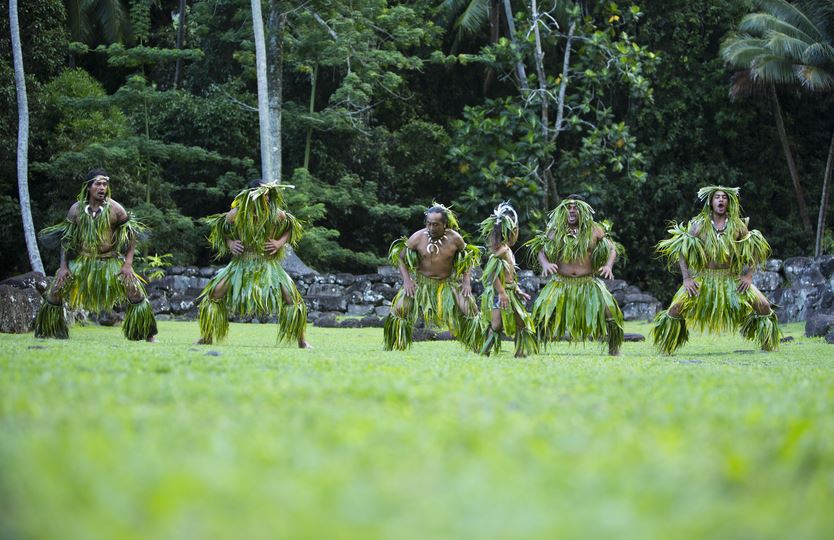
A lagoon snorkel or glass-bottom boat trip, a village visit with a welcome ceremony, a traditional feast cooked in an earth oven, a motu picnic, a cultural evening with dance and drumming, and slow afternoons on the beach make up a South Pacific reunion. This kind of trip fits the approach in slow travel for reunions.
Frequently asked questions
Which South Pacific destination is easiest for a family reunion?
Fiji is usually the simplest, thanks to direct flights, many family-oriented resorts and easy transfers from Nadi.
How long should a South Pacific reunion be?
At least eight to ten nights, given the long flights and time change for families coming from North America.
Are overwater bungalows suitable for families with young children?
Ask the resort first. Many have occupancy limits and open decks over the water, so standard beachfront rooms or villas are often a better fit.