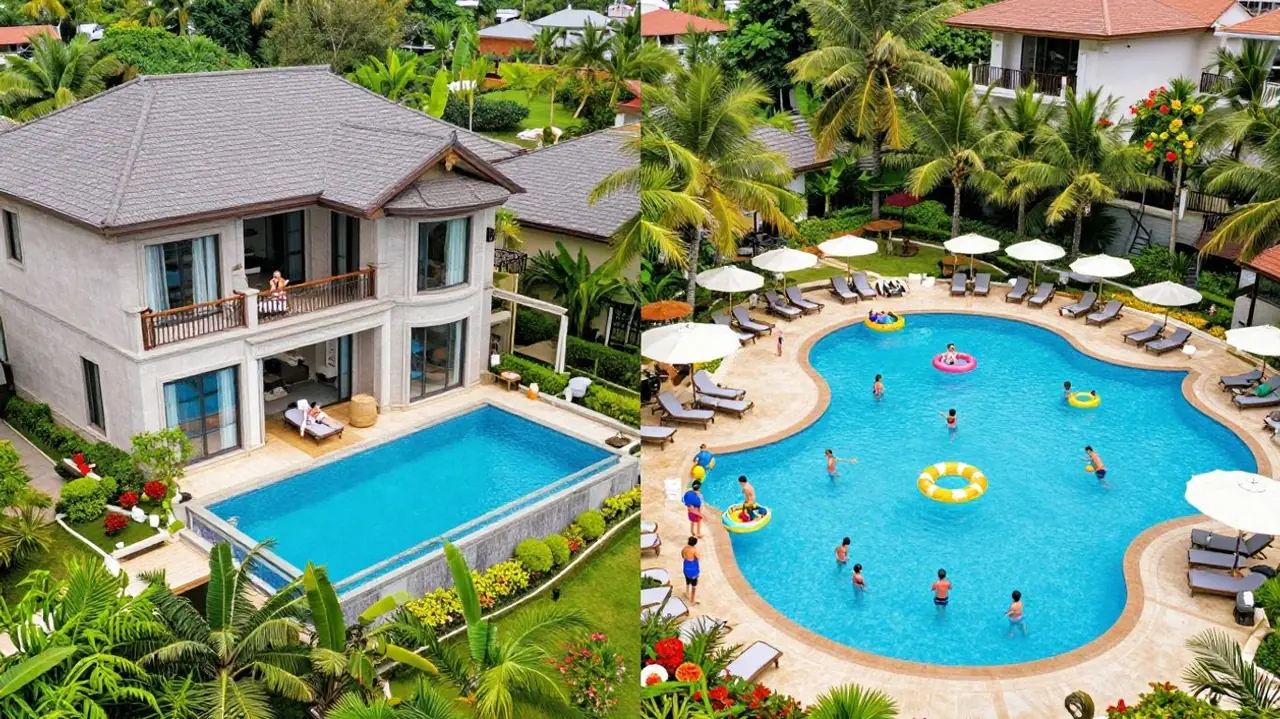
Hawaii works for reunions because it gives every generation something easy to do within a short drive of where they sleep: calm-water beaches for small children, snorkelling and hiking for teens and active adults, and scenic drives, gardens and cultural sites for relatives who prefer a gentler pace. The main decisions are which island, what kind of lodging, and how to handle the long flight for the people coming farthest.
Matching the island to the group
Oahu has the most flights, the widest range of hotels and condos, and the most to do when it rains or when some relatives want museums and history rather than beach time. Waikiki is busy; the leeward coast around Ko Olina is quieter and resort-based.
Maui is the classic resort reunion island, with large beachfront properties and condo complexes on the west and south shores, and day trips such as the road to Hana or a sunrise visit to Haleakala for the early risers.
The Island of Hawaii (Big Island) suits nature-minded families: volcanic landscapes, black-sand beaches and very different scenery on each side of the island. Distances are long, so pick one base and plan the drives.
Kauai is the quietest and greenest, with fewer large resorts and more vacation rentals. It suits families whose idea of a reunion is long lunches and short walks.
Lodging styles that work
- Large resorts with several room types let households choose their own budget level while sharing pools, beaches and dining.
- Condo complexes give each household its own kitchen and laundry, with a shared lawn or barbecue area for evening get-togethers.
- Vacation homes keep everyone under one roof; check local short-term rental rules and confirm the property is properly licensed.
- Split stays (a resort for most of the group, a nearby rental for one branch) are common when budgets differ widely.
Comparisons are on villas vs resorts and villa or hotel.
Getting everyone there
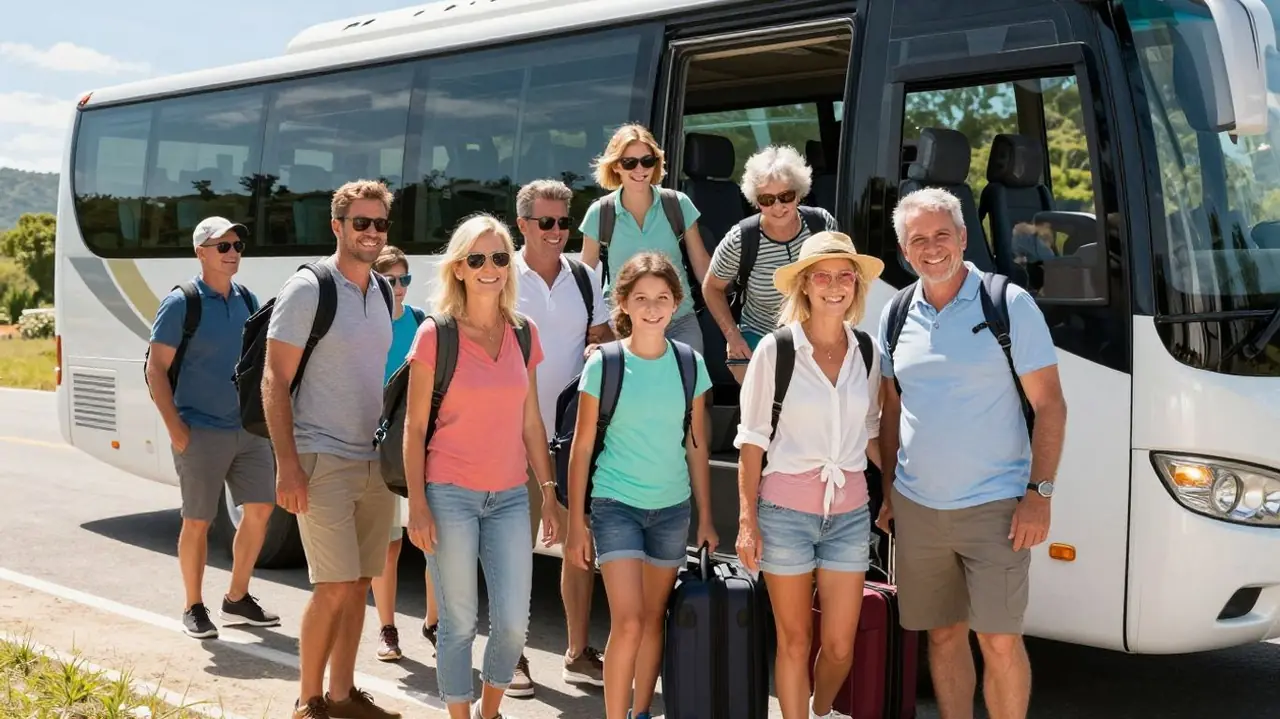
Flights from western Canada and the U.S. West Coast are long but direct to several islands; relatives coming from the east, Europe or Asia often connect through a West Coast city or Honolulu. Agree on a two-day arrival window rather than one day so people can choose sensible connections. Island-hopping adds a flight and a check-out, so most reunions pick one island and stay put. Ground transport matters too: rental vehicles for a big group add up, and a resort or condo with walkable dining reduces how many you need. Coordinating flights for large groups covers the details.

Seasons and timing
Hawaii is warm year-round. Winter brings larger surf on north-facing shores and is the season for humpback whale watching; summer seas are generally calmer on many beaches. School holidays at Christmas, spring break and summer are the busiest and book up first, which matters when you need several rooms in the same building. Read the best times of year for a reunion for more on timing.
Local considerations
Ocean conditions vary by beach and season, and lifeguard coverage is not universal, so pick swimming spots with lifeguards for children and less confident swimmers, and follow posted warnings. Many Hawaii sites and trails are culturally important, and a few popular places, such as some state parks and Haleakala sunrise, require advance reservations; check the official park pages before promising the family a particular outing. Hawaii's state law limits sunscreen ingredients that harm coral, so buy reef-friendly products. For groups renting homes, choose licensed properties, since counties enforce rules on short-term rentals.
Budget levers
Flights are often the largest cost for each household, so watch fares early and be flexible on travel days. Condos and rental homes with kitchens reduce dining costs for big families, and a few shared home-cooked dinners can fund the one meal out everyone remembers. Resort fees and parking charges are common in Hawaii; ask for them when comparing rates.
Shared activities that suit mixed ages
- A morning snorkel or boat outing chosen for calm conditions, with a beach option for anyone who doesn't swim
- A visit to a cultural centre, historic site or local market
- A scenic drive with short viewpoint stops, timed so grandparents and toddlers can rest
- A family photo session on the beach late in the day
- A shared dinner, luau-style or at the house, as the reunion's main gathering
For a full planning walk-through, read how to plan a family reunion trip to Hawaii. If you are weighing it against islands closer to the East Coast, see Caribbean or Hawaii.
Frequently asked questions
Which Hawaiian island is best for a family reunion?
It depends on the group. Oahu is the most convenient, Maui has the most resort choice, the Big Island suits nature lovers and Kauai is the quietest.
How long should a Hawaii reunion be?
Most families choose seven nights or more, because of the flight time and the time zone change for relatives coming from the east.
Should we visit more than one island?
For most reunions, one island and one base is simpler. Adding an island means an extra flight, another check-in and more luggage handling for the whole group.