- Family-root locations (towns, regions, neighborhoods, homelands)
- Cultural experiences related to your heritage (food, music, traditions, museums)
- Guided sightseeing with family context
- Optional research time (archives, libraries, local records)
- Story-sharing gatherings (slideshow night, memory circle, family interviews)
- A celebration moment that honors family connection
Why Families Choose Heritage Reunions
- Grandparents or older relatives want to share their story while they can
- Cousins and younger generations have never heard the full “family origin” story
- The family wants a reunion that feels meaningful and different from a resort vacation
- There is a milestone to honor (anniversary, memorial, legacy event)
- The family wants to create a tradition that goes beyond one trip

How to Make Heritage Travel Work for Multiple Generations
- One shared “heritage day” with guided touring that isn’t too long
- One “choose-your-own” day where smaller groups explore different interests
- Daily downtime for rest, café time, and casual connection
- A simple evening gathering (short and warm) for storytelling and photos
- Optional research time for those who want it, without requiring everyone to participate

Meaningful Reunion Moments to Include
- A family story night with a short slideshow
- A “memory table” where relatives bring printed photos or keepsakes
- A guided walking tour focused on family places (even if they’re approximate)
- A family recipe meal experience tied to your heritage
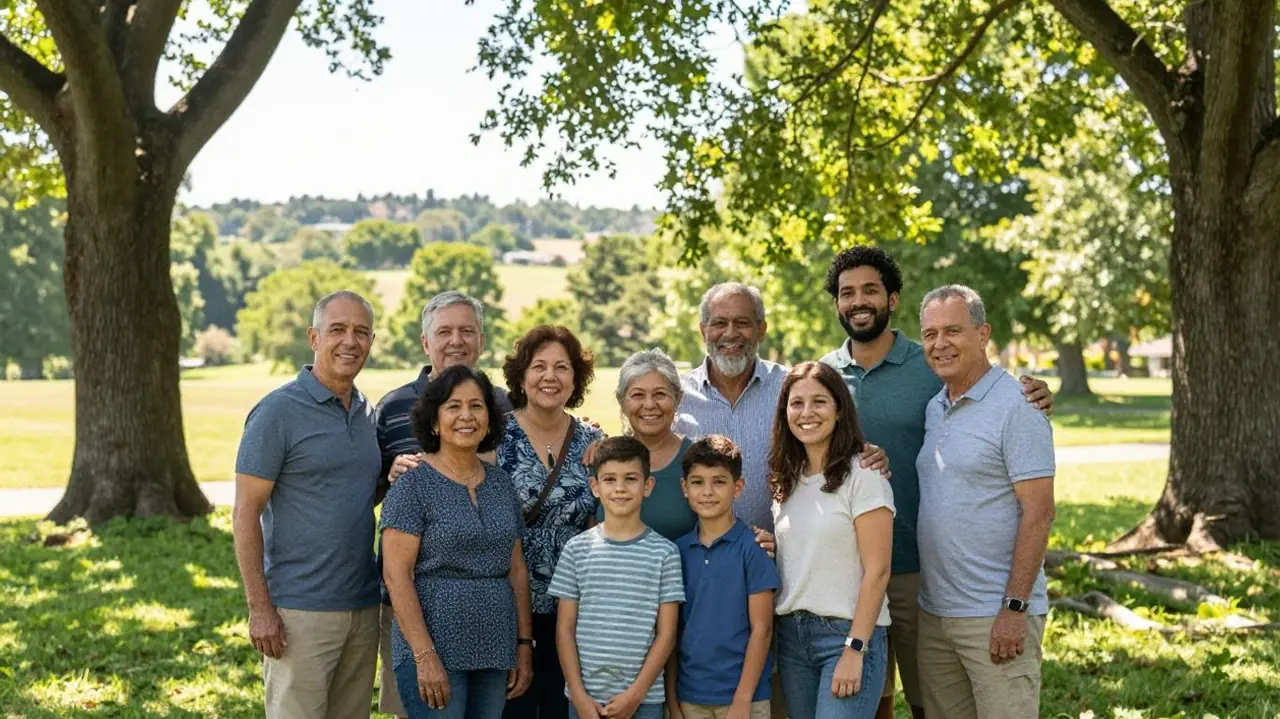
- A group photo in a meaningful location
- A short gratitude toast at a special dinner
How Family Reunion Trips Helps With Heritage & Ancestry Journeys
- Matching your family to the right heritage destination and trip format
- Building an itinerary that balances heritage experiences with downtime
- Coordinating guided touring options and flexible activity layers
- Planning one or two meaningful family moments without over-structuring
- Keeping the reunion inclusive for different budgets, mobility needs, and interests
FAQs
It’s a reunion vacation designed around family roots—visiting meaningful places, cultural sites, and experiences connected to your heritage.
No. Many families plan heritage trips around regions, cultures, or family stories without formal research.
Balance cultural touring with hands-on experiences, free time, and one exciting group activity.
Europe is popular, but heritage reunions can happen anywhere your family’s story leads—including North America and island nations.
Yes. We plan pacing-friendly, meaningful itineraries with shared moments and flexibility.
Research before you travel
The more you know before leaving, the more meaningful each stop will be. Gather what the family already has: names, dates, letters, photographs, immigration and naturalization papers, ship manifests and old addresses. Online genealogy services and national archives can fill gaps, and civil registries or local historical societies at the destination can sometimes confirm a family house, school or burial place. Some archives require appointments, so contact them well ahead. If the trail runs cold, a local genealogist or guide who knows the region can help.
Common heritage destinations
Families travel to Ireland, Scotland, Italy, Germany, Poland, Scandinavia and Portugal, among many others in Europe; to Atlantic Canada and Quebec for families with French, Acadian or Loyalist roots; and to places across Asia, Africa, Latin America and the Pacific. Heritage reunions also work closer to home, such as a visit to the prairie town or fishing village where the family settled. Adding culture to your reunion has more destination ideas.
Pacing an emotional trip
Visiting a family village, a grave or an old homestead can be powerful, especially for older relatives. Plan these visits for mornings, keep the group small if the site is small, and leave the afternoon free. Pair heavier days with lighter ones, such as a market, a boat trip or a long lunch. Ask relatives in advance whether there is anything they would prefer not to visit.
Language and local help
In rural areas, older records and local residents may speak only the local language. A bilingual guide or a local contact can make visits to archives, town halls and family farms far more productive, and can explain local customs when visiting graves or private property.
Capturing the stories
Record short interviews with the oldest relatives before and during the trip, scan photos to share, and give one person the job of keeping a trip journal. Many families create a printed book afterwards. For step-by-step planning, read planning a reunion around ancestry and planning a heritage trip; for touring options see private tours.
Frequently asked questions
Do we need to know exactly where our ancestors lived?
No. A region or a town is enough to plan around, and research can continue during the trip.
Can archives be visited without an appointment?
Some can, but many require booking ahead. Contact them well before you travel.
Is a private guide worth it for a heritage trip?
Often, yes. A local guide can handle language, directions and local records, and adjust the pace for older relatives.