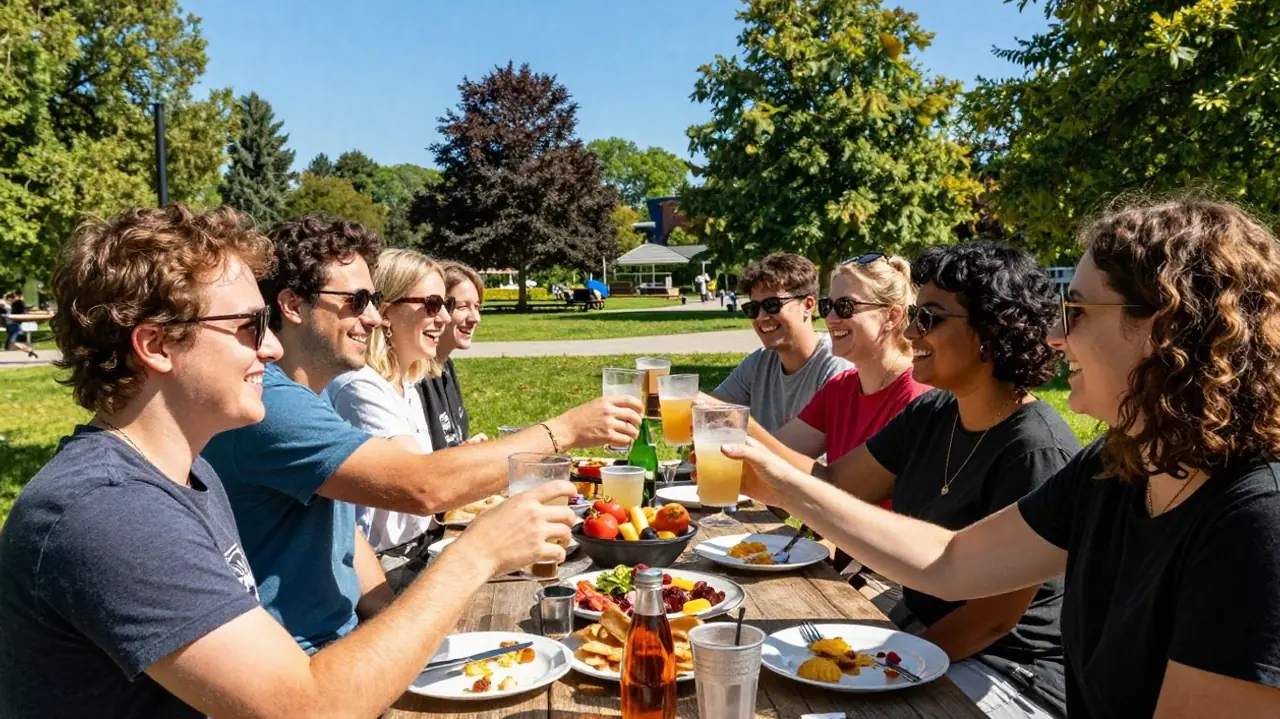
A Europe reunion is usually about a place with meaning for the family: an ancestral country, a city grandparents always wanted to show the grandchildren, or a region with enough history and food to interest every age. It asks more of the group than a beach week, with longer flights, jet lag, more walking and more moving parts, so the plan works best when it is built around one or two bases rather than a tour of capitals.
Ways to structure a Europe reunion
One rural base with day trips. A farmhouse, villa or country hotel in a region such as Tuscany, Provence, the Algarve or the west of Ireland gives the family a shared home with a pool or garden, and day trips to towns and sights. The easiest format for mixed ages.
One city base. Cities with good public transport and compact centres, such as Amsterdam, Edinburgh, Lisbon or Vienna, let relatives explore in small groups and meet for dinner. Choose a hotel or apartment cluster near transit to limit walking for older family members.
Private touring. A guide and coach handle the luggage, route and timing. Good for heritage trips that visit several towns. See private tours and customizing a group tour.
River or coastal cruise. The ship is the base and the scenery moves, which helps relatives who tire of repacking. See family reunion cruises.

Heritage and ancestry reunions
Many Europe reunions are built around a family town, civil records, a cemetery or an old homestead. Do the research before you go: confirm names, dates and places, contact local archives or historical societies, and ask whether a local guide or genealogist can meet the group. Leave the afternoon after an emotionally full visit unscheduled. Heritage and ancestry journeys, planning a reunion around ancestry and planning a heritage trip go further.
Seasons and pacing
Late spring and early fall usually offer milder temperatures and fewer crowds than July and August, when southern Europe can be very hot and popular sites are busiest. Summer is often the only window for families with school-age children, so book early and plan shade, rest and indoor time. Allow a full day to recover from jet lag before anything scheduled, and aim for seven to ten days if relatives are crossing several time zones.

Practical points for groups
- Walking and stairs: old towns mean cobblestones, hills and buildings without lifts. Ask about step-free access and the distance from parking to the door.
- Accommodation: many European hotel rooms are small and sleep two. A rented villa or a block of apartments often works better for families.
- Transport: trains are easy for small groups; a private coach is often simpler for a large group with luggage.
- Entry rules: check current requirements for each traveller's nationality, including any pre-travel authorisation, on official government sources.
- Arrivals: relatives may fly into different hubs. Agree on a meeting city and day.
Booking villas and farmhouses
Rural rentals in Europe often book Saturday to Saturday in summer and may require a minimum week's stay. Check whether bedrooms are in the main house or in separate cottages, how many bathrooms there are, whether the pool is fenced, and how far the nearest shop, pharmacy and hospital are. Many properties are reached by narrow roads, so confirm parking for several cars, or arrange a driver for the group. Air conditioning is not standard in older buildings, which matters in summer heat. Ask what is included, such as linens, cleaning and utilities, and whether a cook or a welcome grocery delivery can be arranged for the first evening.
Meals and gatherings
Europe's dining hours differ from North America's, with late dinners in Spain and Italy, so plan an early option for small children. Restaurants in villages may not seat twenty at short notice; book the family dinner ahead or arrange a cook at the villa.
Shared experiences that work across generations
A cooking class or market tour, a boat trip on a lake or river, a guided walk with a storyteller rather than a lecture, a visit to a castle or farm, or a long family lunch at a country restaurant all suit mixed ages. For more detail on keeping three generations comfortable, read how to plan a multi-generational trip to Europe and adding culture to your reunion.
Frequently asked questions
Is Europe realistic for a reunion with grandparents and young children?
Yes, if you choose one or two bases, limit long travel days and plan rest time. A walkable area or a property with outdoor space helps both ends of the age range.
Should we do a guided tour or stay in one place?
Staying in one place is easier for large groups. Private touring suits heritage trips that need to visit several towns.
How long should a Europe reunion be?
Seven to ten days is common, because of the flight time and jet lag for relatives coming from North America.