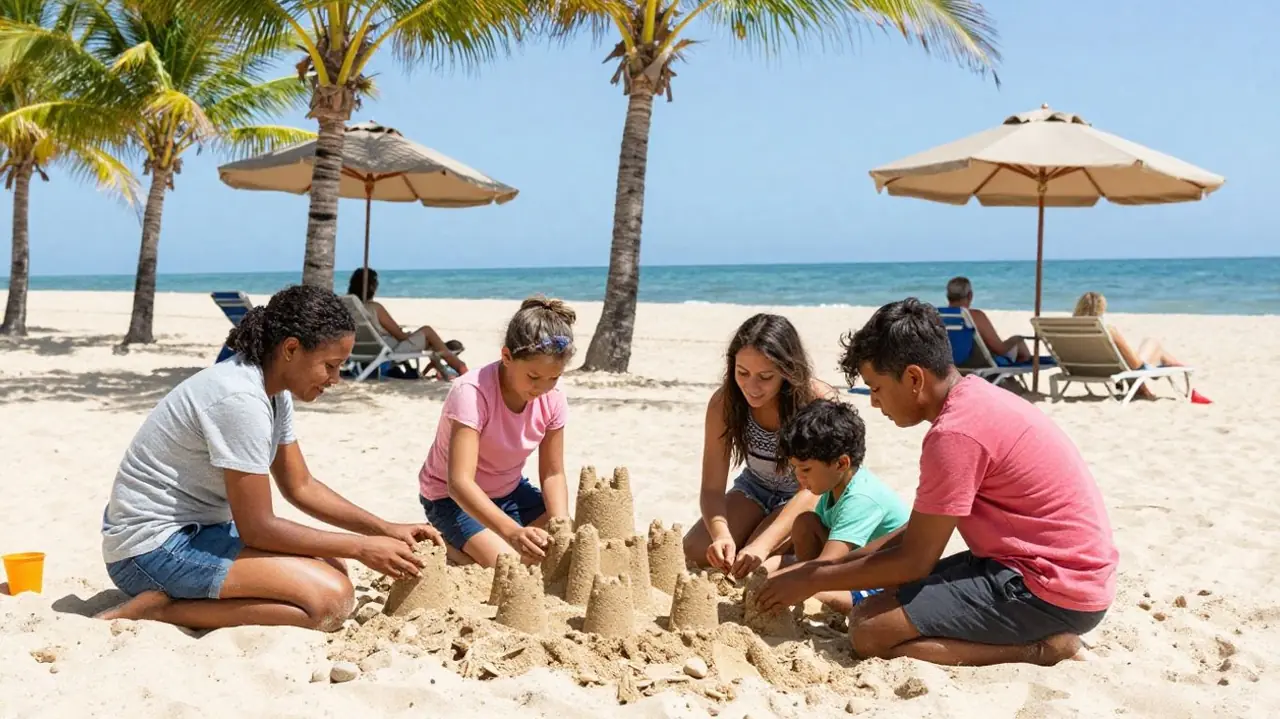

The activities that work best for grandparents and grandchildren match the energy of the less mobile person, give the child something to do with their hands, and end before anyone is worn out. Think cooking a family recipe together, a short nature walk with a scavenger list, fishing from a dock, a Junior Ranger booklet, or a boat ride where everyone sits.
Below we sort ideas by energy level and by the grandchild's age, and explain how to build them into a reunion so grandparents get real time with each grandchild instead of only watching from the side.
Start with energy, not age
A fit 70-year-old and a grandparent who uses a cane need different plans, and so do a toddler and a restless 10-year-old. Before the trip, ask each grandparent honestly how far they like to walk, whether stairs or uneven ground are a problem, and how they handle heat. Then sort activities into three bands.
| Energy band | Grandparent's role | Examples |
|---|---|---|
| Low (seated) | Full participant | Cooking, crafts, card games, puzzles, storytelling, scenic boat or train rides |
| Medium (easy walking) | Full participant with rest stops | Short nature trails, aquariums, gardens, beachcombing, mini golf |
| High (child runs, grandparent spots) | Coach, cheerleader, photographer | Swimming, bike rides, climbing walls, snorkelling from the beach |
Plan most shared time in the low and medium bands. High-energy activities are fine as long as the grandparent has a real job and a shaded seat.
Low-energy activities that still feel special
- Cook a family recipe. A villa or condo kitchen is ideal. The grandparent teaches, the grandchild measures and stirs, and the whole reunion eats the result. Write the recipe down together as a keepsake.
- Photo album storytelling. Bring a few old prints or a tablet of family photos. Children ask the questions: who is that, where was this, what did you do for fun at my age?
- A craft with local materials. Shell frames on a beach trip, pressed leaves in the mountains, a postcard journal anywhere.
- Fishing from a dock or pier. Mostly sitting, with bursts of excitement. Check local licence rules before you go.
- Scenic rides. Glass-bottom boats, gondolas, heritage trains and harbour ferries give big views with no hiking.
- Stargazing. A blanket, a star app and a thermos of hot chocolate. Away from city lights this can be the highlight of the trip.
Medium-energy outings for walkers
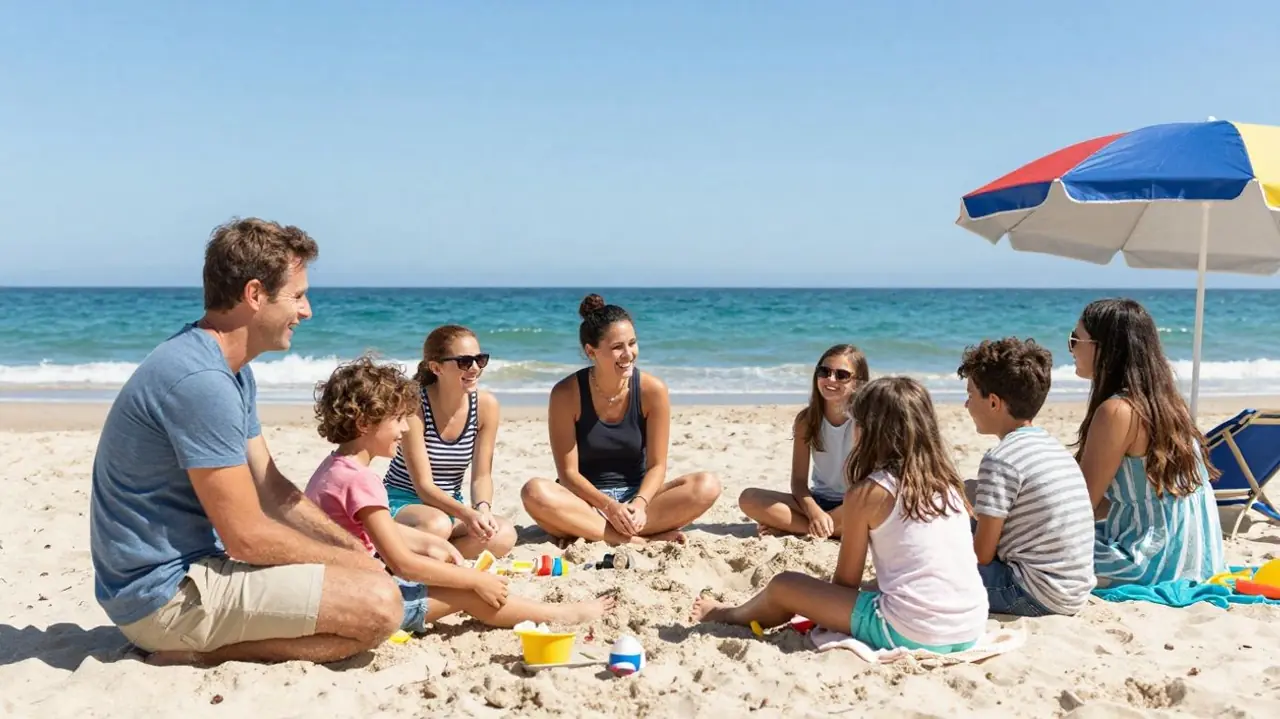
Short, flat outings with benches and washrooms suit most grandparents and keep children moving.
- Junior Ranger programs. The U.S. National Park Service says its Junior Ranger programs target ages 5 to 14 but are open to everyone, including "the young at heart." Booklets can be worked on at a picnic table, and many parks give a badge or certificate at the visitor centre. Grandparent and grandchild completing one together works well.
- Nature scavenger walks. Make a picture list before the walk: a feather, a red leaf, a bird's nest, animal tracks. Keep it under an hour and turn back at the halfway point of the grandparent's comfortable distance.
- Aquariums, science centres and gardens. Indoors or shaded, step-free in most cases, with seating throughout.
- Beachcombing at low tide. Slow walking, constant discovery. Photograph creatures rather than collecting them.
- Mini golf or lawn bowling. Gentle competition where grandparents often win.
Higher-energy activities with a grandparent role
Some grandchildren need to burn energy every day. That does not have to mean the grandparent sits it out.
- Pool time. Grandparents can be the designated water watcher for a 15-minute shift, run a dive-for-treasure game from the steps, or swim alongside a child who is learning.
- Bike rides. Rent a bike with a trailer or a tandem, or let the grandparent ride an e-bike on a flat path.
- Beach snorkelling. The child snorkels in shallow, calm water near shore; the grandparent watches from the beach with the fish identification card.
- Climbing walls and ropes courses. The grandparent takes the photos and holds the snacks, then hears the full story afterward.
For water activities, keep weaker swimmers in life jackets and agree in advance who is watching whom.
Ideas by grandchild age
| Age | What works | Tip |
|---|---|---|
| Toddlers (1-3) | Sand play, water tables, feeding ducks where allowed, picture books | Short sessions; let the grandparent sit at the child's level |
| Young children (4-8) | Junior Ranger booklets, crafts, baking, scavenger walks | Give them a job, such as map holder or photographer |
| Tweens (9-12) | Fishing, card games, mini golf, a museum chosen by the child | Let them plan one outing for the grandparent |
| Teens (13+) | Recording an oral history interview, teaching phone photography, cooking | Treat them as the guide, not the one being supervised |
The teen interview is worth singling out: ten questions, a phone recorder and a quiet corner. Families often keep the recording for decades. For more on involving older kids, see our ideas on keeping teens engaged during reunions.
Give each grandchild one-on-one time
At a big reunion, grandparents can spend the whole week with everyone and no one. A simple fix is a "grandparent date": each grandchild gets one short outing alone with a grandparent during the trip. An ice-cream walk, a ferry ride or breakfast at a café is enough. Put the dates on the shared schedule so parents plan around them and no child is missed.
If there are many grandchildren, pair siblings or cousins of similar age, and spread dates across the week so grandparents are not out every day.
Pacing the day for both generations
Plan the shared activity for the morning, when both children and older adults tend to have the most energy and the day is cooler. Leave the early afternoon for naps, reading or the pool, and save a short, easy activity for late afternoon.
Gentle activity is good for both generations. The CDC guidelines for adults 65 and older recommend at least 150 minutes of moderate activity a week, muscle strengthening on at least two days, and activities that improve balance. A daily walk with a grandchild counts toward that. If a grandparent has mobility limits, our guide to planning accessible trips covers what to ask hotels and tour operators.
Planning notes
Ask each grandparent what they can comfortably do, choose two or three activities per energy band, and schedule one grandparent date per grandchild. For lodging, pace and itinerary ideas that suit every age, start with our multi-generational travel page and our guide to planning a trip that works for every generation; Far & Away Adventures can match the destination to your family's energy levels.
Frequently asked questions
What if a grandparent uses a wheelchair?
Choose step-free outings such as aquariums, gardens with paved paths, scenic boat rides and seated crafts or cooking. Confirm accessible access and washrooms with each venue before you go.
How long should a grandparent and grandchild activity last?
For young children and less mobile grandparents, 45 to 90 minutes is usually right. End while everyone is still enjoying it.
Do grandparents need to bring anything special?
A folding seat or cushion, a hat, water, and a small bag of snacks and wipes covers most outings. A printed list of activity ideas helps on rainy days.